
 Access Control
 Software
 eHajira - HR & Payroll Software
 Smart Lock / Hotel
 Face Reader (TA & AC)
 ZKTeco
 Hundure
 Virdi
 Slave Reader
 Anviz
 Fingerprint Scanner
 Access Control Accessories
 Access Control Power Supply
 Electromagnetic Door Lock (EM Lock)
 Push Button
 CCTV & IP Camera
 Wireless IP Camera
 Dahua Wireless IP Camera
 Hikvision Wireless IP Camera
 IMOU Wireless IP Camera
 Ezviz Wireless IP Camera
 Jovision Wireless IP Camera
 KERUI Wireless IP Camera
 ZKTeco Wireless IP Camera
 CCTV Camera
 Dahua CCTV Camera
 Hikvision CCTV Camera
 Avtech
 CCTV Camera Package
 Campro
 IP Camera
 Avtech IP Camera
 Hikvision IP Camera
 Dahua IP Camera
 TP-Link IP Camera
 Jovision IP Camera
 UNIVIEW IP Camera
 DVR
 Jovision DVR
 Avtech DVR
 Dahua DVR
 Hikvision DVR
 XVR
 Dahua XVR
 Jovision XVR
 Uniview XVR
 NVR
 Avtech NVR
 Dahua NVR
 Hikvision NVR
 Jovision NVR
 Uniview NVR
 PA System
 Conference System
 Wireless Conference System
 Ahuja Conference System
 Verbex Conference System
 ITC Conference System
 Bosch Conference System
 HTDZ Conference System
 TOA Conference System
 Portable Speaker
 Verbex Portable Speaker
 Ahuja Portable Speaker
 JBL Portable Speaker
 Havit Portable Speaker
 TOA Portable Speaker
 Megaphone
 Show Megaphone
 TOA Megaphone
 Ahuja Megaphone
 Verbex Megaphone
 Amplifier
 Ahuja Amplifier
 TOA Amplifier
 JBL Amplifier
 C-Yark Amplifier
 Verbex Amplifier
 DSPPA Amplifier
 ITC Amplifier
 Soundstandard Amplifier
 Ayzo Amplifier
 Beta3 Amplifier
 Peavey Amplifier
 Delta Amplifier
 Bosch Amplifier
 PA Speaker
 Garden Speaker
 Long Range Slim Array Speaker
 Column Speaker
 Wall Speaker
 Ceiling Speaker
 Horn Speaker
 Professional Loudspeaker
 Box Speaker
 Microphone
 MPro Microphone
 Verbex Microphone
 Bosch Microphone
 TOA Microphone
 Ahuja Microphone
 Clarion Microphone
 Wireless Microphone
 Bosch Wireless Microphone
 Studiomaster Wireless Microphone
 CMX Wireless Microphone
 Verbex Wireless Microphone
 Ahuja Wireless Microphone
 TOA Wireless Microphone
 HTDZ Wireless Microphone
 JBL Wireless Microphone
 MPro Wireless Microphone
 Driver Unit and Trumpet Horn
 TOA Driver Unit
 Ahuja Driver Unit
 Bosch Driver Unit
 Verbex Driver Unit
 Pa system Accessories
 Mixer & Zone Selector
 Bosch Mixer & Zone Selector
 HTDZ Mixer & Zone Selector
 Verbex Mixer & Zone Selector
 Ahuja Mixer & Zone Selector
 TOA Mixer & Zone Selector
 HTDZ Mixer
 Soundcraft Mixers
 DBX Zone & Audio Processor
 Yamaha Mixer
 Video Conference System
 AVer Video Conference
 logitech Video Conference
 IP PA System
 Dinstar IP PA System
 Verbex IP PA System
 C-YARK IP PA System
 PABX
 IP PBX
 Zycoo IP PBX
 Synway IP PBX
 Dinstar IP PBX
 OpenVox IP PBX
 Grandstream IP PBX
 IP Phone
 Panasonic IP Phone
 GrandStream IP Phone & PBX
 Flyingvoice IP Phone
 Fanvil IP Phone
 Yealink
 Synway IP PBX
 Dinstar IP Phone
 Snom iP Phone
 Zycoo IP PBX
 Yeastar IP PABX Machine
 Verbex Intercom and PABX
 IKE PABX & Intercom
 Telephone Set & Master Set
 Hellotel Telephone Set
 Panasonic telephone set
 Panasonic PABX & Intercom
 PABX & Intercom Accessories
 EAS Security
 EAS Gate
 Soft Tag
 Hard Tag
 Tag Removers and Detachers
 Tag Deactivator & Detector
 Alarm & Calling System
 Burglar Alarm
 Intruder Alarm System
 Glass Break Detector
 Door Sensor / Window Sensor
 Water Leakage Alarm Sensor
 GSM Alarm
 Carbon Monoxide & Gas Leak Detector Sensor
 Motion Sensor
 Smoke Detector
 Siren for Alarm System
 Home Security System
 Calling System
 Restaurant Calling System
 Window Intercom
 Kitchen call waiter system
 Queue call system
 Hospital call system
 Guest coaster pager system
 Wireless Tour-guide System
 Security
 Full Height Turnstile
 Swing Barrier
 Hand Held Metal Detector
 Tripod Turnstile
 ZKTeco Tripod Turnstile
 Dahua Tripod Turnstile
 Hikvision Tripod Turnstile
 Verbex Tripod Turnstile
 Archway Gate
 ZKTeco Archway Gate
 Hikvision Archway Gate
 Dahua Archway Gate
 Uniqscan Archway Gate
 Verbex Archway Gate
 MCD Archway Gate
 Garrett Archway Gate
 Under Vehicle Search Mirror
 Parking Barrier
 Dahua Parking Barrier
 ZKTeco Parking Barrier
 Hikvision Parking Barrier
 Verbex Parking Barrier
 Convex Mirror
 Flap Barrier Gate
 ZKTeco Flap Barrier Gate
 Hikvision Flap Barrier Gate
 Dahua Flap Barrier Gate
 Verbex Flap Barrier Gate
 Body Camera
 Barrier
 Queue Stand
 Loading Dock Bumpers
 PVC Tactile Paving
 Wheel Chock
 Reflective Guardrail Delineator
 Crash Resistance Lane Separator
 Rubber Column Guard
 Rubber Wheel Stopper
 Cable Protector
 Traffic Warning Light
 Traffic Cone Connect
 Tyre Killer Spikes
 Safety Sign
 Rubber Speed Breaker
 Safety Barricade Tape
 Crowd Control Stanchion
 Plastic Water Filled Barrier
 Warning Post
 Curb Ramp
 Traffic Cone
 LED Warning Traffic Baton
 Traffic Road Stud
 Baggage Scanner
 Networking
 Patch Panel
 Face Plate
 Access Point
 POE Switch
 Cable Manager
 Patch Cord
 RJ45 Connector
 Network Cable CAT6
 Dahua CAT6 Cable
 Mikrotik
 Router
 TP-Link Router
 Tenda Router
 Cudy Router
 Ruijie Router
 Netis Router
 Crimping Tools
 Server Rack
 Raised Floor
 Display & Signage
 Advertising Display
 Interactive Flat Panel (IFP)
 Accessories
 Office Equipment
 Barcode Scanner
 Cash Drawer
 HDMI Cable
 Web Design & Development
 Corporate Website
 Company Profile Website
 Agency Website
 Startup Website
 Portfolio Website
 Personal Website
 Landing Page
 Product/Service Showcase Website
 E-commerce
 Online Shop
 Multi-vendor Marketplace
 B2B E-commerce
 B2C E-commerce
 Subscription-based Store
 Booking & Order Website
 Industry-specific Website
 Restaurant Website
 Hotel/Resort Website
 Real Estate Website
 Hospital/Clinic Website
 School/College/University Website
 Travel & Tourism Website
 Law Firm Website
 Construction Company Website
 NGO Website
 News/Media Website
 Event Website
 Business Software
 ERP Software
 CRM Software
 HR & Payroll Software
 Accounting Software
 Inventory Management
 POS Software
 Project Management
 Task Management
 Employee Management
 Customer Management
 Industry Software
 School Management System
 Hospital Management System
 Restaurant Management System
 Pharmacy Management
 Real Estate Management
 Library Management
 Transport/Fleet Management
 Gym Management
 Appointment Management
 Online Platforms
 Learning Management System (LMS)
 Course Platform
 Job Portal
 Marketplace
 Freelancing Platform
 Booking Platform
 Membership Platform
 Community/Social Platform
 Classified Ads Website
 Advanced Web Development
 Custom Web Application
 SaaS Application
 API Development
 Third-party API Integration
 Payment Gateway Integration
 SMS/Email/WhatsApp Integration
 AI-powered Web Application
 Automation System
 Real-time Chat System
 Notification System
 CMS
 WordPress
 Shopify
 Webflow
 Wix
 WooCommerce
 Maintenance & Growth Services
 Bug Fixing
 Security Updates
 Speed Optimization
 Website Backup
 Server/Hosting Management
 Domain & SSL Setup
 SEO Technical Optimization
 Website Migration
 Performance Monitoring
 Content Update
 Website Maintenance
 Marketing
 Digital Marketing
EAS Security Price in Saudi Arabia
EAS Security Price in Saudi Arabia is starts from price 0 SAR to 3800 SAR; depending on brand, capacity, and features. Buy best quality EAS Security from renowned brands like Verbex from Unity International Services LLC Online Shop and browse below to place online order.
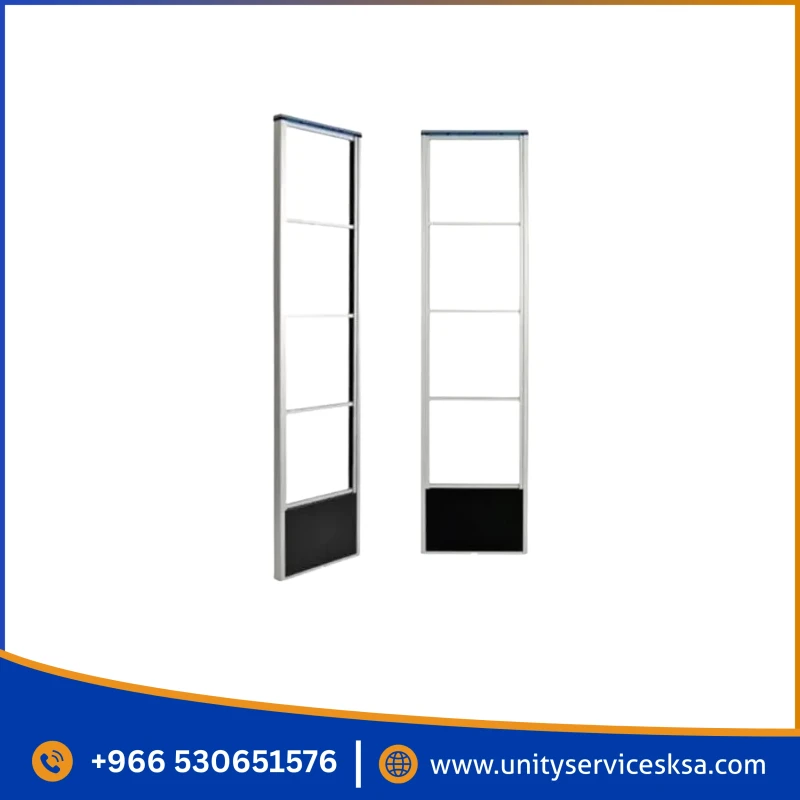
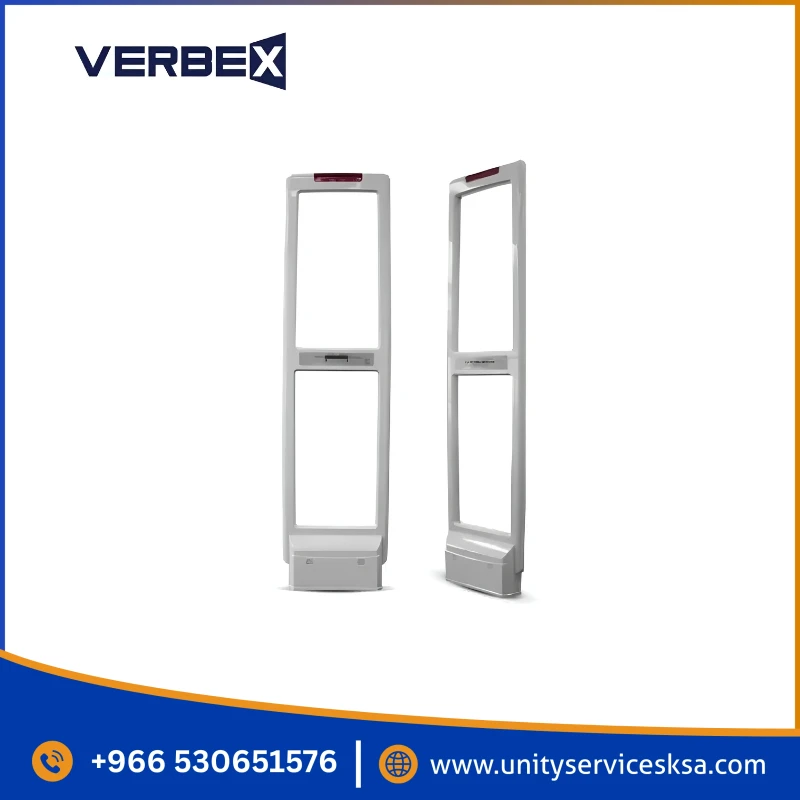
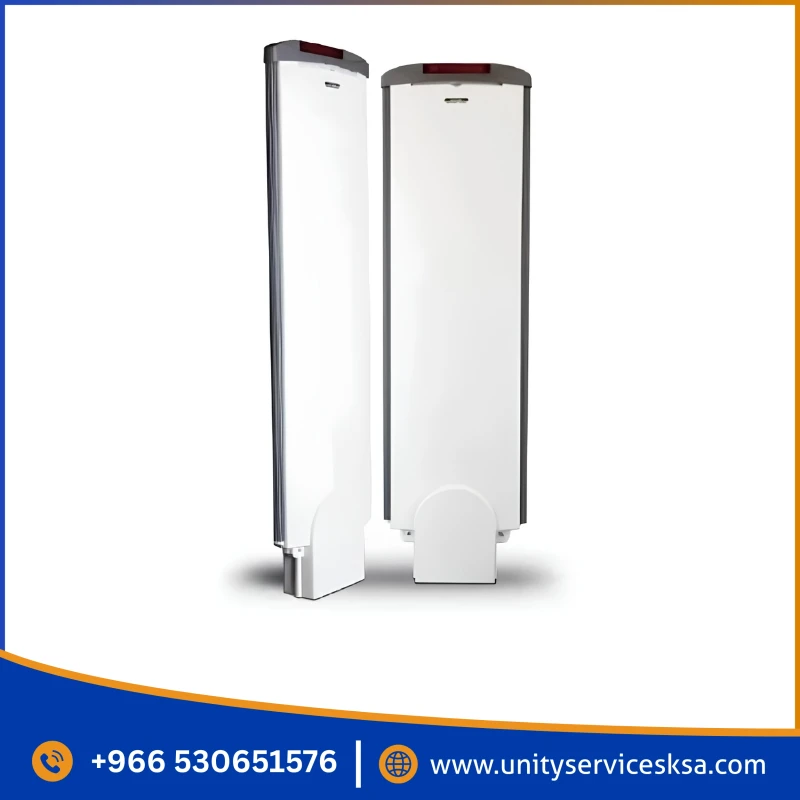
EAS Security System Price in Saudi Arabia
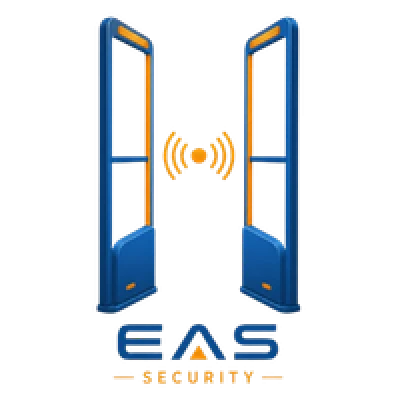
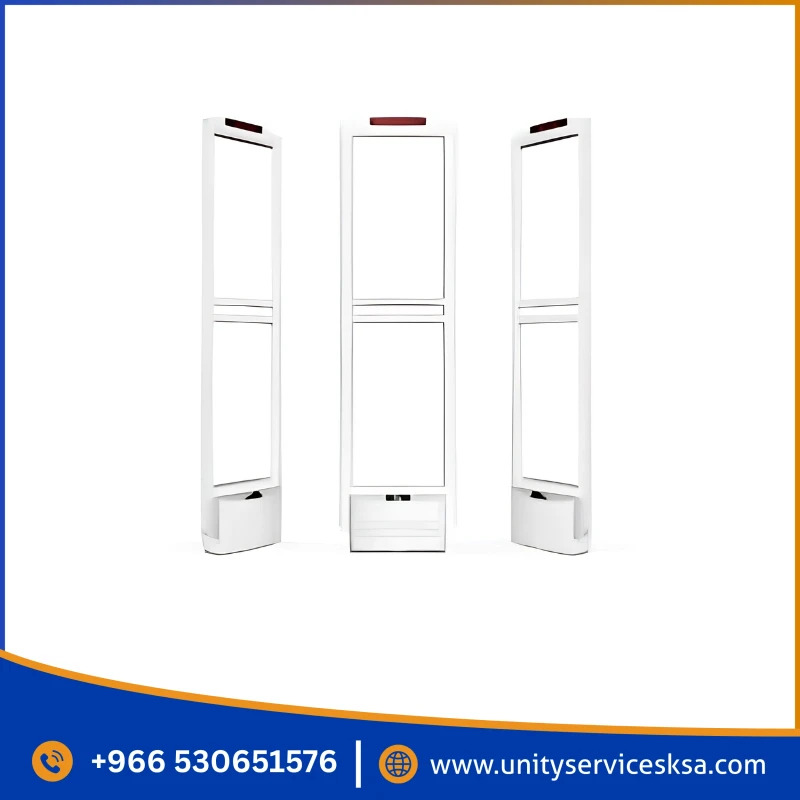
Electronic Article Surveillance (EAS) is a loss-prevention technology used by retailers to protect merchandise from theft. It works through three core components: a tag or label attached to a product, a deactivator or detacher used at checkout, and detection antennas placed at store exits. If a tagged item passes through the antennas without being deactivated, an alarm sounds.
For businesses in Saudi Arabia, EAS has become important as the retail sector continues to expand rapidly across malls, hypermarkets, and standalone stores in cities like Riyadh, Jeddah, and Dammam. With more foot traffic and larger store formats, the risk of shoplifting and internal shrinkage grows too. EAS systems give retailers a cost-effective way to reduce these losses, protect profit margins, and maintain a safe, professional shopping environment.
What is the EAS Security System price in Saudi Arabia in 2027?
EAS system pricing depends heavily on the type of technology (RF or AM), the number of antennas required, tag/label types, and whether the system includes additional features like people counters or networked alarms. Because prices are influenced by import costs, currency exchange rates, and supplier margins, they can shift from year to year. Rather than relying on a fixed figure that may already be outdated, it's best to request a current quotation directly from a licensed EAS supplier in Saudi Arabia so you get pricing based on your store's actual size and requirements.
Which EAS system is best for clothing stores in Saudi Arabia?
Clothing and fashion stores typically benefit most from RF (Radio Frequency) EAS systems paired with reusable hard tags. Hard tags are ideal for garments because they can be clipped onto clothing without damaging the fabric and removed easily with a detacher at checkout. RF systems are also popular in fashion retail because they are cost-effective, widely available, and easy to scale as a store grows.
Which is better: RF or AM EAS technology?
Neither technology is universally "better" — the right choice depends on the retail environment.
- RF (Radio Frequency): More affordable, widely used, and well-suited for fashion, accessories, and general merchandise stores. However, it can be more sensitive to metal interference and has a slightly shorter detection range.
- AM (Acousto-Magnetic): Offers a wider detection range, lower false alarm rates, and better performance in stores with metal shelving or dense product placement — making it popular in supermarkets, pharmacies, and hypermarkets.
Retailers should evaluate their store layout, product types, and budget before choosing between the two.
What is the difference between EAS hard tags and soft labels?
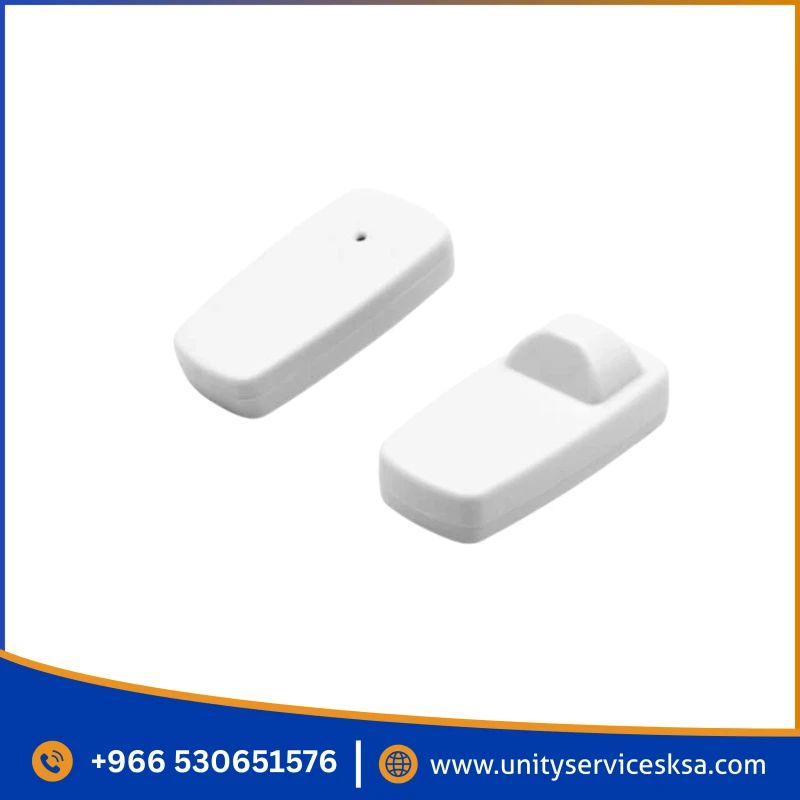
- Hard tags are reusable, durable plastic tags with a pin or clip mechanism, commonly used on clothing, bags, and shoes. They require a detacher to remove.
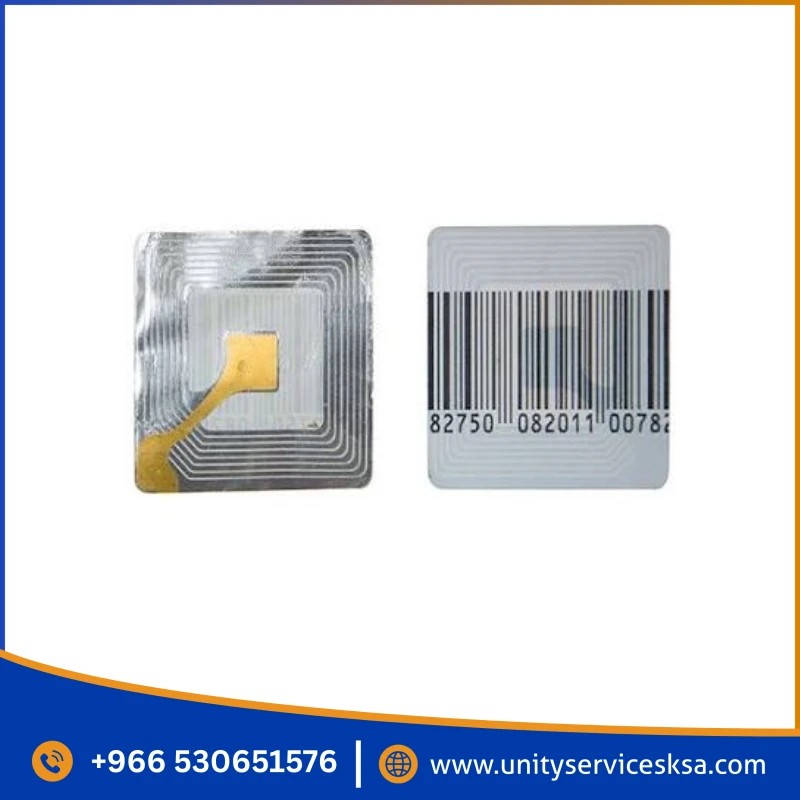
- Soft labels are thin, adhesive, single-use labels that can be stuck directly onto packaging, books, cosmetics, or electronics boxes. They are deactivated (not removed) at checkout using a deactivator pad.
Hard tags are best for reusable retail items, while soft labels suit packaged or disposable goods.
How does an EAS security gate detect a tagged product?
EAS gates (antennas) emit a specific electromagnetic or radio frequency field between two pedestals positioned at store exits. When an active (non-deactivated) tag or label passes through this field, it triggers a response that activates an audible and sometimes visual alarm, alerting staff to a potential unauthorized removal of merchandise.
Can EAS systems be integrated with existing retail security systems?
Yes. Modern EAS systems can often be integrated with CCTV cameras, point-of-sale (POS) systems, and centralized security monitoring setups. This integration allows retailers to link an EAS alarm trigger with a camera recording or POS transaction log, making it easier to review incidents and strengthen overall store security.
What types of products can be protected using EAS tags?
EAS tags and labels can protect a wide range of products, including:
- Clothing and fashion accessories
- Footwear and handbags
- Cosmetics and perfumes
- Electronics and small appliances
- Books and stationery
- Eyewear
- Liquor and specialty grocery items
- Pharmacy products
Different tag types are chosen based on the product's size, packaging, and value.
How much does EAS installation cost in Saudi Arabia?
Installation costs vary based on store size, the number of antennas needed, cabling requirements, and whether the store needs additional configuration such as networked alarm systems. Because these factors differ from one retail space to another, it's best to get a site assessment and formal quotation from an EAS provider rather than relying on a generic estimate.
How long does it take to install an EAS system?
For a standard single-entrance retail store, installation typically takes a few hours to one full day, depending on antenna positioning, power supply access, and testing requirements. Larger stores with multiple entry/exit points or hypermarket-scale layouts may take longer, especially if cabling needs to be routed through walls or ceilings.
Do EAS systems require regular maintenance?
Yes, though maintenance needs are generally minimal. Routine checks typically include:
- Testing antenna sensitivity and alarm response
- Inspecting deactivators and detachers for wear
- Ensuring tags/labels are functioning correctly
- Checking power connections and cabling
Many suppliers in Saudi Arabia offer annual maintenance contracts (AMCs) to keep systems running reliably.
Can EAS systems be customized for small and large retail stores?
Yes. EAS systems are scalable — small boutiques may only need a single-antenna gate at one entrance, while large hypermarkets may require multiple antenna pairs across several exits, combined with high-volume tagging and deactivation stations. Suppliers can design a configuration based on store layout, traffic flow, and product range.
What is the detection range of an EAS security gate?
Detection range depends on the technology used. RF systems typically offer a detection width of around 1 to 1.2 meters per antenna pair, while AM systems can offer a wider range, sometimes up to 1.5 meters or more per pedestal pair. Actual range can be affected by store layout, metal fixtures, and electronic interference nearby.
Can EAS systems reduce inventory loss and shoplifting?
Yes, this is the primary purpose of EAS technology. By deterring theft and immediately alerting staff when a tagged item leaves the store without deactivation, EAS systems help retailers significantly reduce shrinkage, protect profit margins, and create a visible deterrent that discourages shoplifting attempts.
Are EAS systems suitable for supermarkets and hypermarkets?
Yes. Supermarkets and hypermarkets often use AM EAS technology due to its wider detection range and lower sensitivity to metal shelving, which is common in grocery retail. These stores typically combine EAS gates with soft label tagging on high-theft items like cosmetics, razors, and liquor.
Can EAS systems be used in pharmacies and cosmetic stores?
Yes. Pharmacies and cosmetic stores frequently deal with small, high-value items that are easy to conceal, making them prime candidates for EAS protection. Soft labels are especially popular in these settings since they can be discreetly placed on packaging without affecting product presentation.
What is an EAS tag detacher?
A detacher is a device used at the checkout counter to remove reusable hard tags from merchandise after purchase. It typically uses a magnetic or mechanical release mechanism to unlock the tag's pin without damaging the product.
What is an EAS label deactivator?
A deactivator is a device (often a flat pad near the cashier) used to neutralize soft labels at the point of sale. Instead of removing the label, it disables its ability to trigger the exit gate alarm, allowing the customer to leave with the product without setting off an alert.
Can EAS systems protect books, electronics, garments, and accessories?
Yes. Different product categories typically use different tag formats:
- Books: Soft labels hidden within the spine or cover
- Electronics: Soft labels or specialized hard tags on packaging
- Garments: Reusable hard tags clipped onto fabric
- Accessories: Small hard tags or adhesive labels depending on material and size
This flexibility makes EAS suitable across nearly every retail category.
Where can I buy authentic EAS security systems in Saudi Arabia?
Authentic EAS systems should be purchased through licensed security equipment suppliers or authorized retail security distributors operating in Saudi Arabia. Buying from verified suppliers ensures product authenticity, warranty support, technical service, and access to genuine tags and labels compatible with your system.
What brands of EAS security systems are available in Saudi Arabia?
Saudi Arabia's retail security market includes both international EAS brands and regional distributors offering RF and AM systems. Availability can vary by supplier and region, so it's best to consult with a local security equipment provider to compare brands, technology types, and after-sales support before making a decision.
Why should businesses choose professional EAS installation services?
Professional installation ensures antennas are positioned correctly for maximum detection accuracy, cabling is properly routed and safe, and the system is calibrated to minimize false alarms. Professional installers can also assess store layout challenges — such as metal fixtures or wide entrances — that could affect system performance if not addressed during setup.
What should I consider before buying an EAS security system?
Key factors to evaluate include:
- Store size and number of entry/exit points
- Types of products being sold (fashion, electronics, groceries, etc.)
- Budget for both installation and ongoing tag/label costs
- Whether RF or AM technology suits your environment
- Integration needs with CCTV or POS systems
- Availability of local maintenance and technical support
Does store size affect the number of EAS antennas required?
Yes. Larger stores with wider entrances or multiple access points generally require more antenna pairs to ensure full coverage without gaps that could allow tagged items to pass undetected. A professional site assessment helps determine the exact number of antennas needed for complete protection.
How can I get an EAS security system quotation in Saudi Arabia?
To get an accurate quotation, contact a licensed EAS supplier and provide details such as your store size, number of entrances, product categories, and preferred technology (RF or AM). Most suppliers offer a site visit or consultation to assess your specific needs before providing a tailored price estimate and system recommendation.