
 Access Control
 Software
 eHajira - HR & Payroll Software
 Smart Lock / Hotel
 Face Reader (TA & AC)
 ZKTeco
 Hundure
 Virdi
 Slave Reader
 Anviz
 Fingerprint Scanner
 Access Control Accessories
 Access Control Power Supply
 Electromagnetic Door Lock (EM Lock)
 Push Button
 CCTV & IP Camera
 Wireless IP Camera
 Dahua Wireless IP Camera
 Hikvision Wireless IP Camera
 IMOU Wireless IP Camera
 Ezviz Wireless IP Camera
 Jovision Wireless IP Camera
 KERUI Wireless IP Camera
 ZKTeco Wireless IP Camera
 CCTV Camera
 Dahua CCTV Camera
 Hikvision CCTV Camera
 Avtech
 CCTV Camera Package
 Campro
 IP Camera
 Avtech IP Camera
 Hikvision IP Camera
 Dahua IP Camera
 TP-Link IP Camera
 Jovision IP Camera
 UNIVIEW IP Camera
 DVR
 Jovision DVR
 Avtech DVR
 Dahua DVR
 Hikvision DVR
 XVR
 Dahua XVR
 Jovision XVR
 Uniview XVR
 NVR
 Avtech NVR
 Dahua NVR
 Hikvision NVR
 Jovision NVR
 Uniview NVR
 PA System
 Conference System
 Wireless Conference System
 Ahuja Conference System
 Verbex Conference System
 ITC Conference System
 Bosch Conference System
 HTDZ Conference System
 TOA Conference System
 Portable Speaker
 Verbex Portable Speaker
 Ahuja Portable Speaker
 JBL Portable Speaker
 Havit Portable Speaker
 TOA Portable Speaker
 Megaphone
 Show Megaphone
 TOA Megaphone
 Ahuja Megaphone
 Verbex Megaphone
 Amplifier
 Ahuja Amplifier
 TOA Amplifier
 JBL Amplifier
 C-Yark Amplifier
 Verbex Amplifier
 DSPPA Amplifier
 ITC Amplifier
 Soundstandard Amplifier
 Ayzo Amplifier
 Beta3 Amplifier
 Peavey Amplifier
 Delta Amplifier
 Bosch Amplifier
 PA Speaker
 Garden Speaker
 Long Range Slim Array Speaker
 Column Speaker
 Wall Speaker
 Ceiling Speaker
 Horn Speaker
 Professional Loudspeaker
 Box Speaker
 Microphone
 MPro Microphone
 Verbex Microphone
 Bosch Microphone
 TOA Microphone
 Ahuja Microphone
 Clarion Microphone
 Wireless Microphone
 Bosch Wireless Microphone
 Studiomaster Wireless Microphone
 CMX Wireless Microphone
 Verbex Wireless Microphone
 Ahuja Wireless Microphone
 TOA Wireless Microphone
 HTDZ Wireless Microphone
 JBL Wireless Microphone
 MPro Wireless Microphone
 Driver Unit and Trumpet Horn
 TOA Driver Unit
 Ahuja Driver Unit
 Bosch Driver Unit
 Verbex Driver Unit
 Pa system Accessories
 Mixer & Zone Selector
 Bosch Mixer & Zone Selector
 HTDZ Mixer & Zone Selector
 Verbex Mixer & Zone Selector
 Ahuja Mixer & Zone Selector
 TOA Mixer & Zone Selector
 HTDZ Mixer
 Soundcraft Mixers
 DBX Zone & Audio Processor
 Yamaha Mixer
 Video Conference System
 AVer Video Conference
 logitech Video Conference
 IP PA System
 Dinstar IP PA System
 Verbex IP PA System
 C-YARK IP PA System
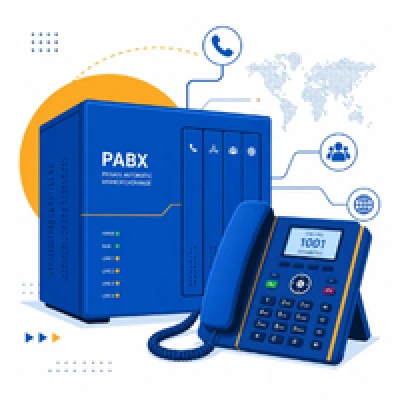 PABX
 IP PBX
 Zycoo IP PBX
 Synway IP PBX
 Dinstar IP PBX
 OpenVox IP PBX
 Grandstream IP PBX
 IP Phone
 Panasonic IP Phone
 GrandStream IP Phone & PBX
 Flyingvoice IP Phone
 Fanvil IP Phone
 Yealink
 Synway IP PBX
 Dinstar IP Phone
 Snom iP Phone
 Zycoo IP PBX
 Yeastar IP PABX Machine
 Verbex Intercom and PABX
 IKE PABX & Intercom
 Telephone Set & Master Set
 Hellotel Telephone Set
 Panasonic telephone set
 Panasonic PABX & Intercom
 PABX & Intercom Accessories
 EAS Security
 EAS Gate
 Soft Tag
 Hard Tag
 Tag Removers and Detachers
 Tag Deactivator & Detector
 Alarm & Calling System
 Burglar Alarm
 Intruder Alarm System
 Glass Break Detector
 Door Sensor / Window Sensor
 Water Leakage Alarm Sensor
 GSM Alarm
 Carbon Monoxide & Gas Leak Detector Sensor
 Motion Sensor
 Smoke Detector
 Siren for Alarm System
 Home Security System
 Calling System
 Restaurant Calling System
 Window Intercom
 Kitchen call waiter system
 Queue call system
 Hospital call system
 Guest coaster pager system
 Wireless Tour-guide System
 Security
 Full Height Turnstile
 Swing Barrier
 Hand Held Metal Detector
 Tripod Turnstile
 ZKTeco Tripod Turnstile
 Dahua Tripod Turnstile
 Hikvision Tripod Turnstile
 Verbex Tripod Turnstile
 Archway Gate
 ZKTeco Archway Gate
 Hikvision Archway Gate
 Dahua Archway Gate
 Uniqscan Archway Gate
 Verbex Archway Gate
 MCD Archway Gate
 Garrett Archway Gate
 Under Vehicle Search Mirror
 Parking Barrier
 Dahua Parking Barrier
 ZKTeco Parking Barrier
 Hikvision Parking Barrier
 Verbex Parking Barrier
 Convex Mirror
 Flap Barrier Gate
 ZKTeco Flap Barrier Gate
 Hikvision Flap Barrier Gate
 Dahua Flap Barrier Gate
 Verbex Flap Barrier Gate
 Body Camera
 Barrier
 Queue Stand
 Loading Dock Bumpers
 PVC Tactile Paving
 Wheel Chock
 Reflective Guardrail Delineator
 Crash Resistance Lane Separator
 Rubber Column Guard
 Rubber Wheel Stopper
 Cable Protector
 Traffic Warning Light
 Traffic Cone Connect
 Tyre Killer Spikes
 Safety Sign
 Rubber Speed Breaker
 Safety Barricade Tape
 Crowd Control Stanchion
 Plastic Water Filled Barrier
 Warning Post
 Curb Ramp
 Traffic Cone
 LED Warning Traffic Baton
 Traffic Road Stud
 Baggage Scanner
 Networking
 Patch Panel
 Face Plate
 Access Point
 POE Switch
 Cable Manager
 Patch Cord
 RJ45 Connector
 Network Cable CAT6
 Dahua CAT6 Cable
 Mikrotik
 Router
 TP-Link Router
 Tenda Router
 Cudy Router
 Ruijie Router
 Netis Router
 Crimping Tools
 Server Rack
 Raised Floor
 Display & Signage
 Advertising Display
 Interactive Flat Panel (IFP)
 Accessories
 Office Equipment
 Barcode Scanner
 Cash Drawer
 HDMI Cable
 Web Design & Development
 Corporate Website
 Company Profile Website
 Agency Website
 Startup Website
 Portfolio Website
 Personal Website
 Landing Page
 Product/Service Showcase Website
 E-commerce
 Online Shop
 Multi-vendor Marketplace
 B2B E-commerce
 B2C E-commerce
 Subscription-based Store
 Booking & Order Website
 Industry-specific Website
 Restaurant Website
 Hotel/Resort Website
 Real Estate Website
 Hospital/Clinic Website
 School/College/University Website
 Travel & Tourism Website
 Law Firm Website
 Construction Company Website
 NGO Website
 News/Media Website
 Event Website
 Business Software
 ERP Software
 CRM Software
 HR & Payroll Software
 Accounting Software
 Inventory Management
 POS Software
 Project Management
 Task Management
 Employee Management
 Customer Management
 Industry Software
 School Management System
 Hospital Management System
 Restaurant Management System
 Pharmacy Management
 Real Estate Management
 Library Management
 Transport/Fleet Management
 Gym Management
 Appointment Management
 Online Platforms
 Learning Management System (LMS)
 Course Platform
 Job Portal
 Marketplace
 Freelancing Platform
 Booking Platform
 Membership Platform
 Community/Social Platform
 Classified Ads Website
 Advanced Web Development
 Custom Web Application
 SaaS Application
 API Development
 Third-party API Integration
 Payment Gateway Integration
 SMS/Email/WhatsApp Integration
 AI-powered Web Application
 Automation System
 Real-time Chat System
 Notification System
 CMS
 WordPress
 Shopify
 Webflow
 Wix
 WooCommerce
 Maintenance & Growth Services
 Bug Fixing
 Security Updates
 Speed Optimization
 Website Backup
 Server/Hosting Management
 Domain & SSL Setup
 SEO Technical Optimization
 Website Migration
 Performance Monitoring
 Content Update
 Website Maintenance
 Marketing
 Digital Marketing
Third-party API Integration Price in Saudi Arabia
Third-party API Integration Price in Saudi Arabia is starts from price SAR to SAR; depending on brand, capacity, and features. Buy best quality Third-party API Integration from renowned brands like from Unity International Services LLC Online Shop and browse below to place online order.


Professional Third-party API Integration Services in Saudi Arabia
Third-party API integration allows websites, mobile applications, and enterprise platforms to exchange information with compatible external software. Unity Services KSA provides API integration services in Saudi Arabia for businesses seeking connected digital operations and reduced repetitive data handling. Integrations may involve customer management systems, ERP platforms, payment providers, communication services, shipping applications, and cloud software. Available functionality depends on each provider's interfaces, permissions, and technical requirements. Our approach emphasizes secure authentication, accurate data mapping, reliable error handling, and practical monitoring. Businesses should evaluate integration feasibility before committing to specific workflows. A properly designed API integration supports coordinated operations while maintaining appropriate control over business information.
Why Saudi Businesses Need Third-party API Integration
Organizations frequently use several digital systems to manage customers, employees, transactions, and operational activities. When these systems operate independently, staff may need to transfer information manually. Third-party API integration can connect approved workflows and reduce duplicate data entry. Unity Services KSA helps businesses identify integration opportunities based on existing software and operational priorities. Not every platform provides the same API access, and some services impose restrictions or additional fees. Businesses should consider data accuracy, security, and process ownership before integration. A practical integration strategy supports more consistent information exchange and helps teams work with connected systems.
Custom API Integration Development
Custom API integration development allows organizations to connect software according to their specific business requirements. Unity Services KSA supports tailored integrations involving data retrieval, record updates, event processing, and workflow coordination. Development should begin with a review of available API documentation, authentication requirements, and expected data formats. Businesses must define which system is responsible for each type of information. Error handling and duplicate request prevention are important. Integrations should be tested against realistic business scenarios. A structured custom solution supports operational consistency while reducing unnecessary technical complexity.
REST API Integration Services
REST APIs are widely used to exchange information between compatible web services. Unity Services KSA supports REST API integration according to provider specifications and application requirements. Development may involve HTTP requests, structured data formats, authentication tokens, and response processing. Businesses should understand endpoint limitations and expected error responses. API rate limits and service availability can affect system performance. Secure credential storage and controlled access are essential. A well-designed REST integration helps applications exchange information reliably while maintaining appropriate security and operational controls.
CRM API Integration Development
CRM API integration connects customer relationship management platforms with compatible websites and business applications. Unity Services KSA supports integration for customer records, lead management, sales activities, and selected communication workflows. Businesses should establish clear rules for record creation, updates, and duplicate prevention. Customer information requires appropriate access permissions and privacy protections. Integration capabilities depend on the selected CRM provider. Automated synchronization should be monitored to detect missing or conflicting data. A structured CRM integration supports more consistent customer information across business systems.
ERP API Integration Services
ERP systems coordinate activities involving finance, inventory, procurement, HR, and other business functions. Unity Services KSA supports ERP API integration according to available provider interfaces and organizational requirements. Integrations may connect websites, online stores, and internal applications with selected ERP modules. Businesses should define data ownership and approval requirements before automation. Incorrect synchronization can affect multiple departments. Validation, logging, and exception handling are therefore important. A carefully planned ERP integration supports coordinated workflows while preserving appropriate financial and operational controls.
E-commerce API Integration
E-commerce businesses may connect online stores with inventory, shipping, payment, CRM, and accounting systems. Unity Services KSA supports e-commerce API integration for compatible platforms. Workflows can include product synchronization, order updates, inventory changes, and fulfillment information. Businesses should verify that transaction data comes from trusted sources. Duplicate orders and conflicting stock updates must be prevented. API limitations may affect synchronization frequency. A structured integration helps online retailers coordinate digital operations and reduce repetitive administrative tasks.
Payment Gateway API Integration
Payment gateway APIs connect business applications with supported payment processing services. Unity Services KSA supports technical integration according to gateway documentation and merchant eligibility. Functions may include payment initiation, transaction verification, refunds, and payment status synchronization. Businesses should use secure authentication and avoid unnecessary handling of sensitive card information. Payment completion must be verified through trusted provider mechanisms. API availability and fees depend on the selected gateway. A reliable payment integration supports organized transaction workflows while maintaining appropriate security and compliance responsibilities.
SMS, Email and WhatsApp API Integration
Messaging APIs allow businesses to connect approved communication services with websites and applications. Unity Services KSA supports integration for SMS gateways, email providers, and eligible WhatsApp Business Platform services. Workflows may include transactional alerts, appointment reminders, customer notifications, and support messaging. Businesses should respect customer consent and channel-specific rules. WhatsApp integration must follow applicable platform requirements. Message delivery depends on provider conditions and recipient availability. A structured messaging API integration supports coordinated communication while maintaining appropriate privacy and operational controls.
Shipping and Logistics API Integration
Shipping API integration can connect e-commerce platforms with compatible logistics and delivery providers. Unity Services KSA supports integration for shipment creation, tracking information, and delivery status updates where supported. Businesses should verify provider coverage, service availability, and technical capabilities. Shipping status information may be delayed or incomplete depending on the carrier. Integration should include error handling and clear transaction references. Customer notifications should rely on verified shipment events. A well-planned logistics integration supports more organized fulfillment operations and reduces manual coordination.
Cloud Application API Integration
Cloud applications often provide APIs for connecting data and workflows with other software. Unity Services KSA supports cloud API integration according to provider access and technical requirements. Applications may exchange documents, user information, operational records, or approved service events. Businesses should review API permissions and data residency considerations. Authentication credentials must be protected. Service limits and provider changes may affect long-term integration reliability. A structured cloud integration helps organizations coordinate digital services while maintaining control over information access.
Third-party API Integration Price in Saudi Arabia
Third-party API integration pricing in Saudi Arabia depends on the number of connected systems, API complexity, authentication requirements, and data synchronization needs. A simple one-way integration may require less development effort than a multi-system platform with real-time workflows. Costs can include requirements analysis, API configuration, development, testing, hosting, and maintenance. External providers may impose subscription or usage fees. Unity Services KSA offers customized proposals based on project scope. Businesses should distinguish development expenses from ongoing provider charges. A transparent quotation helps organizations plan integration investments realistically.
API Integration Development Cost Breakdown
An API integration budget should consider documentation review, system architecture, authentication, data mapping, workflow development, testing, and support. Additional costs may arise from custom dashboards, complex transformation rules, or high-volume synchronization. Businesses may also require security reviews, monitoring, and data migration. Third-party API subscriptions can introduce recurring expenses. Unity Services KSA helps organizations evaluate these components during planning. A clear cost breakdown supports realistic budgeting and helps identify essential functionality before advanced features are introduced.
Real-Time API Integration and Data Synchronization
Real-time API integration can help applications exchange information promptly when supported by the provider. Unity Services KSA develops synchronization workflows according to technical feasibility and business requirements. Some systems support webhooks or event streams, while others require periodic polling. Businesses should define acceptable synchronization delays and conflict resolution rules. Real-time communication may increase infrastructure and monitoring requirements. Data validation is important to prevent incorrect updates. A practical synchronization design supports timely information exchange while maintaining system stability.
Webhook Integration Development
Webhooks allow external services to notify applications about supported events. Unity Services KSA supports webhook integration for compatible platforms. Events may include order updates, payment changes, customer activities, or system notifications. Webhook endpoints should verify authenticity and process events safely. Duplicate or delayed notifications must not create inconsistent records. Businesses should plan for retries, monitoring, and event ordering. A reliable webhook integration supports event-driven workflows while reducing unnecessary polling.
API Authentication and Authorization
API authentication verifies that requests originate from permitted systems or users. Unity Services KSA supports integration approaches based on provider requirements, including API keys, OAuth, and other supported methods. Credentials should be stored securely and rotated when appropriate. Businesses should grant only the permissions necessary for each integration. Authorization rules should prevent access to unrelated information. Logging must avoid exposing secrets. A secure authentication design supports controlled communication between connected applications.
API Data Mapping and Transformation
Different software systems may use different field names, formats, and data structures. Unity Services KSA supports data mapping and transformation during API integration development. Businesses should define how records correspond across platforms and which system is authoritative. Validation rules help identify incomplete or incompatible data. Transformation errors can affect downstream processes. Integrations should record failures and provide suitable recovery procedures. A structured data mapping approach supports more accurate information exchange.
API Error Handling and Reliability
External APIs may experience timeouts, rate limits, service interruptions, or unexpected responses. Unity Services KSA supports error handling strategies appropriate to each integration. Systems may require retry mechanisms, queues, and monitoring. Repeated requests should be controlled to avoid duplicate actions. Businesses should define what happens when an external service becomes unavailable. Error messages should support troubleshooting without exposing confidential information. A reliable integration architecture helps maintain business operations despite temporary provider issues.
API Rate Limit Management
Many third-party services restrict the number of API requests allowed within a given period. Unity Services KSA supports integration planning that accounts for provider rate limits. Applications may use caching, request scheduling, and controlled retries. Businesses should estimate expected request volumes before deployment. Exceeding rate limits can interrupt synchronization and other workflows. Provider pricing may also depend on API usage. A practical rate management strategy supports stable integration performance and helps control operating costs.
API Integration for SaaS Platforms
SaaS platforms may connect with payment providers, CRM systems, messaging services, and other cloud applications. Unity Services KSA supports API integration for subscription-based software platforms. Development should consider customer account isolation, permissions, and usage monitoring. Integrations may require separate credentials for different customers. Businesses should define how external service failures affect the SaaS application. Data privacy and contractual responsibilities are important. A structured integration approach supports connected SaaS functionality while maintaining appropriate operational controls.
API Integration for HR Management Systems
HR management platforms may use APIs to connect attendance devices, payroll services, employee directories, and administrative applications. Unity Services KSA supports HR API integration according to organizational requirements and available interfaces. Employee data requires careful access control and privacy protection. Businesses should define synchronization rules and approval responsibilities. Incorrect data updates can affect payroll or employee records. Validation and monitoring are essential. A well-planned HR integration supports coordinated administrative workflows while preserving appropriate human oversight.
API Integration for Educational Institutions
Educational institutions may connect school management systems with communication services, payment platforms, learning applications, and administrative software. Unity Services KSA supports education-related API integration according to institutional requirements. Student information requires appropriate privacy and access controls. Businesses should define which systems can read or update records. Integration capabilities depend on provider interfaces and permissions. A structured solution supports more organized digital administration while maintaining institutional oversight.
API Integration for Healthcare Administration
Healthcare organizations may use APIs to connect compatible scheduling, administrative, and communication systems. Unity Services KSA supports healthcare administration integration planning according to applicable requirements. Sensitive health information requires careful handling and restricted access. Not every system permits unrestricted integration. Organizations should evaluate provider agreements, security requirements, and data protection obligations. Automated updates should be validated before affecting important records. A responsible integration supports administrative coordination while prioritizing privacy and safety.
API Security and Data Privacy in Saudi Arabia
API integrations may exchange confidential business information and personal data. Unity Services KSA emphasizes secure authentication, encrypted communication, role-based access, and appropriate logging. Businesses in Saudi Arabia should evaluate applicable requirements under the Saudi Personal Data Protection Law and related regulations. Third-party providers may have separate data processing and storage arrangements. Organizations should review these arrangements before sharing sensitive information. Security testing and ongoing monitoring are important. A responsible API integration reduces unnecessary data exposure and supports appropriate governance.
API Monitoring and Performance Analytics
API monitoring helps organizations understand integration status and identify technical problems. Unity Services KSA supports monitoring dashboards and logging according to business requirements. Metrics may include request volume, response times, error rates, and synchronization status. Monitoring should distinguish temporary provider failures from application-level problems. Sensitive information should not be unnecessarily recorded in logs. Alerting can help administrators respond to important failures. A practical monitoring system supports reliable operations and informed maintenance decisions.
API Maintenance and Version Updates
Third-party providers may change API versions, authentication requirements, or supported endpoints. Unity Services KSA supports maintenance planning to address integration changes. Businesses should monitor provider announcements and compatibility requirements. Updates may require testing and code modifications. Deprecated endpoints can disrupt operations if not addressed. Maintenance arrangements should define responsibilities for monitoring and implementation. A structured update process supports longer-term integration reliability and reduces unexpected service interruptions.
Choosing an API Integration Company in Saudi Arabia
Selecting an API integration provider requires evaluating software engineering experience, security practices, and knowledge of external platform requirements. Businesses should identify the systems they want to connect and the data they need to exchange. Unity Services KSA focuses on clarifying technical feasibility before development. Organizations should understand provider restrictions, recurring costs, and maintenance responsibilities. A clear proposal should explain supported workflows, limitations, and testing. Careful evaluation helps businesses choose integration solutions aligned with operational priorities.
Why Choose Unity Services KSA for Third-party API Integration
Unity Services KSA provides third-party API integration solutions for Saudi businesses seeking connected software systems and more organized digital workflows. Our approach emphasizes secure API connections, accurate data mapping, practical automation, and appropriate monitoring. We recognize that e-commerce companies, corporate organizations, educational institutions, and SaaS providers have different integration requirements. Solutions can be tailored to CRM, ERP, payment gateways, messaging platforms, shipping services, and cloud applications. Each project is evaluated according to available provider interfaces and business objectives. Our goal is to help organizations implement manageable integrations that support consistent operations and future development.
Frequently Asked Questions About Third-party API Integration in Saudi Arabia
What is third-party API integration?
It connects compatible external software services with a website or application to exchange information or trigger supported actions.
How much does API integration cost in Saudi Arabia?
Pricing depends on the number of systems, API complexity, authentication, data mapping, and support requirements.
Can API integration connect CRM and ERP systems?
Yes, where both systems provide compatible integration interfaces.
Can payment gateways be connected through APIs?
Yes, eligible payment providers offer APIs for supported transaction workflows.
Can SMS and WhatsApp services be integrated through APIs?
Yes, through compatible messaging providers and approved platform interfaces.
Does API integration support real-time synchronization?
Yes, where provider capabilities support event-driven or suitably frequent data exchange.
Are API integrations secure?
They can incorporate security controls, but protection depends on design, implementation, and maintenance.
Can APIs connect e-commerce stores with shipping companies?
Yes, where compatible shipping provider APIs are available.
Do third-party APIs require ongoing maintenance?
Often yes, because providers may change endpoints, authentication methods, or service policies.
How can I request API integration services?
Visit www.unityservicesksa.com and share your existing software, required integrations, and workflows to request a customized proposal.
Third-party API Integration Price in Saudi Arabia
| Product Name | Price |
|---|