
 Access Control
 Software
 eHajira - HR & Payroll Software
 Smart Lock / Hotel
 Face Reader (TA & AC)
 ZKTeco
 Hundure
 Virdi
 Slave Reader
 Anviz
 Fingerprint Scanner
 Access Control Accessories
 Access Control Power Supply
 Electromagnetic Door Lock (EM Lock)
 Push Button
 CCTV & IP Camera
 Wireless IP Camera
 Dahua Wireless IP Camera
 Hikvision Wireless IP Camera
 IMOU Wireless IP Camera
 Ezviz Wireless IP Camera
 Jovision Wireless IP Camera
 KERUI Wireless IP Camera
 ZKTeco Wireless IP Camera
 CCTV Camera
 Dahua CCTV Camera
 Hikvision CCTV Camera
 Avtech
 CCTV Camera Package
 Campro
 IP Camera
 Avtech IP Camera
 Hikvision IP Camera
 Dahua IP Camera
 TP-Link IP Camera
 Jovision IP Camera
 UNIVIEW IP Camera
 DVR
 Jovision DVR
 Avtech DVR
 Dahua DVR
 Hikvision DVR
 XVR
 Dahua XVR
 Jovision XVR
 Uniview XVR
 NVR
 Avtech NVR
 Dahua NVR
 Hikvision NVR
 Jovision NVR
 Uniview NVR
 PA System
 Conference System
 Wireless Conference System
 Ahuja Conference System
 Verbex Conference System
 ITC Conference System
 Bosch Conference System
 HTDZ Conference System
 TOA Conference System
 Portable Speaker
 Verbex Portable Speaker
 Ahuja Portable Speaker
 JBL Portable Speaker
 Havit Portable Speaker
 TOA Portable Speaker
 Megaphone
 Show Megaphone
 TOA Megaphone
 Ahuja Megaphone
 Verbex Megaphone
 Amplifier
 Ahuja Amplifier
 TOA Amplifier
 JBL Amplifier
 C-Yark Amplifier
 Verbex Amplifier
 DSPPA Amplifier
 ITC Amplifier
 Soundstandard Amplifier
 Ayzo Amplifier
 Beta3 Amplifier
 Peavey Amplifier
 Delta Amplifier
 Bosch Amplifier
 PA Speaker
 Garden Speaker
 Long Range Slim Array Speaker
 Column Speaker
 Wall Speaker
 Ceiling Speaker
 Horn Speaker
 Professional Loudspeaker
 Box Speaker
 Microphone
 MPro Microphone
 Verbex Microphone
 Bosch Microphone
 TOA Microphone
 Ahuja Microphone
 Clarion Microphone
 Wireless Microphone
 Bosch Wireless Microphone
 Studiomaster Wireless Microphone
 CMX Wireless Microphone
 Verbex Wireless Microphone
 Ahuja Wireless Microphone
 TOA Wireless Microphone
 HTDZ Wireless Microphone
 JBL Wireless Microphone
 MPro Wireless Microphone
 Driver Unit and Trumpet Horn
 TOA Driver Unit
 Ahuja Driver Unit
 Bosch Driver Unit
 Verbex Driver Unit
 Pa system Accessories
 Mixer & Zone Selector
 Bosch Mixer & Zone Selector
 HTDZ Mixer & Zone Selector
 Verbex Mixer & Zone Selector
 Ahuja Mixer & Zone Selector
 TOA Mixer & Zone Selector
 HTDZ Mixer
 Soundcraft Mixers
 DBX Zone & Audio Processor
 Yamaha Mixer
 Video Conference System
 AVer Video Conference
 logitech Video Conference
 IP PA System
 Dinstar IP PA System
 Verbex IP PA System
 C-YARK IP PA System
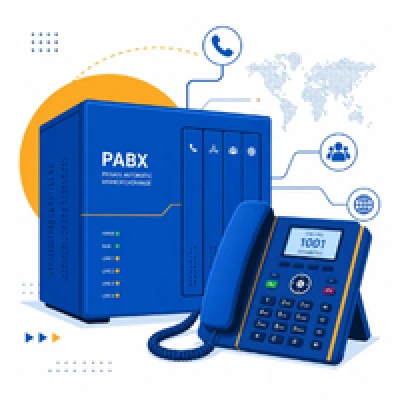 PABX
 IP PBX
 Zycoo IP PBX
 Synway IP PBX
 Dinstar IP PBX
 OpenVox IP PBX
 Grandstream IP PBX
 IP Phone
 Panasonic IP Phone
 GrandStream IP Phone & PBX
 Flyingvoice IP Phone
 Fanvil IP Phone
 Yealink
 Synway IP PBX
 Dinstar IP Phone
 Snom iP Phone
 Zycoo IP PBX
 Yeastar IP PABX Machine
 Verbex Intercom and PABX
 IKE PABX & Intercom
 Telephone Set & Master Set
 Hellotel Telephone Set
 Panasonic telephone set
 Panasonic PABX & Intercom
 PABX & Intercom Accessories
 EAS Security
 EAS Gate
 Soft Tag
 Hard Tag
 Tag Removers and Detachers
 Tag Deactivator & Detector
 Alarm & Calling System
 Burglar Alarm
 Intruder Alarm System
 Glass Break Detector
 Door Sensor / Window Sensor
 Water Leakage Alarm Sensor
 GSM Alarm
 Carbon Monoxide & Gas Leak Detector Sensor
 Motion Sensor
 Smoke Detector
 Siren for Alarm System
 Home Security System
 Calling System
 Restaurant Calling System
 Window Intercom
 Kitchen call waiter system
 Queue call system
 Hospital call system
 Guest coaster pager system
 Wireless Tour-guide System
 Security
 Full Height Turnstile
 Swing Barrier
 Hand Held Metal Detector
 Tripod Turnstile
 ZKTeco Tripod Turnstile
 Dahua Tripod Turnstile
 Hikvision Tripod Turnstile
 Verbex Tripod Turnstile
 Archway Gate
 ZKTeco Archway Gate
 Hikvision Archway Gate
 Dahua Archway Gate
 Uniqscan Archway Gate
 Verbex Archway Gate
 MCD Archway Gate
 Garrett Archway Gate
 Under Vehicle Search Mirror
 Parking Barrier
 Dahua Parking Barrier
 ZKTeco Parking Barrier
 Hikvision Parking Barrier
 Verbex Parking Barrier
 Convex Mirror
 Flap Barrier Gate
 ZKTeco Flap Barrier Gate
 Hikvision Flap Barrier Gate
 Dahua Flap Barrier Gate
 Verbex Flap Barrier Gate
 Body Camera
 Barrier
 Queue Stand
 Loading Dock Bumpers
 PVC Tactile Paving
 Wheel Chock
 Reflective Guardrail Delineator
 Crash Resistance Lane Separator
 Rubber Column Guard
 Rubber Wheel Stopper
 Cable Protector
 Traffic Warning Light
 Traffic Cone Connect
 Tyre Killer Spikes
 Safety Sign
 Rubber Speed Breaker
 Safety Barricade Tape
 Crowd Control Stanchion
 Plastic Water Filled Barrier
 Warning Post
 Curb Ramp
 Traffic Cone
 LED Warning Traffic Baton
 Traffic Road Stud
 Baggage Scanner
 Networking
 Patch Panel
 Face Plate
 Access Point
 POE Switch
 Cable Manager
 Patch Cord
 RJ45 Connector
 Network Cable CAT6
 Dahua CAT6 Cable
 Mikrotik
 Router
 TP-Link Router
 Tenda Router
 Cudy Router
 Ruijie Router
 Netis Router
 Crimping Tools
 Server Rack
 Raised Floor
 Display & Signage
 Advertising Display
 Interactive Flat Panel (IFP)
 Accessories
 Office Equipment
 Barcode Scanner
 Cash Drawer
 HDMI Cable
 Web Design & Development
 Corporate Website
 Company Profile Website
 Agency Website
 Startup Website
 Portfolio Website
 Personal Website
 Landing Page
 Product/Service Showcase Website
 E-commerce
 Online Shop
 Multi-vendor Marketplace
 B2B E-commerce
 B2C E-commerce
 Subscription-based Store
 Booking & Order Website
 Industry-specific Website
 Restaurant Website
 Hotel/Resort Website
 Real Estate Website
 Hospital/Clinic Website
 School/College/University Website
 Travel & Tourism Website
 Law Firm Website
 Construction Company Website
 NGO Website
 News/Media Website
 Event Website
 Business Software
 ERP Software
 CRM Software
 HR & Payroll Software
 Accounting Software
 Inventory Management
 POS Software
 Project Management
 Task Management
 Employee Management
 Customer Management
 Industry Software
 School Management System
 Hospital Management System
 Restaurant Management System
 Pharmacy Management
 Real Estate Management
 Library Management
 Transport/Fleet Management
 Gym Management
 Appointment Management
 Online Platforms
 Learning Management System (LMS)
 Course Platform
 Job Portal
 Marketplace
 Freelancing Platform
 Booking Platform
 Membership Platform
 Community/Social Platform
 Classified Ads Website
 Advanced Web Development
 Custom Web Application
 SaaS Application
 API Development
 Third-party API Integration
 Payment Gateway Integration
 SMS/Email/WhatsApp Integration
 AI-powered Web Application
 Automation System
 Real-time Chat System
 Notification System
 CMS
 WordPress
 Shopify
 Webflow
 Wix
 WooCommerce
 Maintenance & Growth Services
 Bug Fixing
 Security Updates
 Speed Optimization
 Website Backup
 Server/Hosting Management
 Domain & SSL Setup
 SEO Technical Optimization
 Website Migration
 Performance Monitoring
 Content Update
 Website Maintenance
 Marketing
 Digital Marketing
Synway IP PBX Price in Saudi Arabia
Synway IP PBX Price in Saudi Arabia is starts from price SAR to SAR; depending on brand, capacity, and features. Buy best quality Synway IP PBX from renowned brands like from Unity International Services LLC Online Shop and browse below to place online order.

Synway IP PBX Price in Saudi Arabia
Synway IP PBX Price in Saudi Arabia starts from SAR 350 to SAR 4,500, depending on the model, number of users, extension capacity, concurrent-call requirements, SIP connectivity, VoIP integration, gateway requirements, network configuration, and available communication features. Buy quality Synway IP PBX in Saudi Arabia from Unity International Services LLC Online Shop and choose a suitable business communication solution for offices, corporate organizations, hotels, hospitals, schools, call centers, customer-service departments, factories, warehouses, and multi-branch businesses.
Synway communication solutions can be considered by organizations moving from traditional telephone infrastructure toward IP-based communication. A properly designed IP PBX environment can centralize extensions, departments, SIP connectivity, call routing, remote users, and branch communication.
However, choosing an IP PBX should not be based only on the lowest price. Businesses should first calculate the number of users, simultaneous calls, required extensions, external connectivity, IP phone requirements, network capacity, and expected future expansion.
Synway IP PBX Price in Saudi Arabia
Synway IP PBX prices in Saudi Arabia start from SAR 350 and go up to SAR 4,500 within this category price range.
Pricing can vary according to:
Synway model
Number of users
Extension capacity
Concurrent calls
SIP requirements
VoIP configuration
Gateway requirements
Network interfaces
Required communication functions
Deployment complexity
Installation and configuration
SAR 350 – SAR 900: Entry-Level Communication Requirements
Selected products or configurations in this range may be considered for smaller communication requirements depending on model and availability.
Potential applications include:
Small offices
Startup businesses
Small retail operations
Professional offices
Small clinics
Branch offices
SAR 900 – SAR 2,500: Growing Business Communication
This range can be considered for organizations requiring additional users, extensions, or communication functionality.
Potential environments include:
Medium-sized offices
Schools
Clinics
Retail operations
Warehouses
Multi-department businesses
SAR 2,500 – SAR 4,500: Professional IP PBX Requirements
Higher-capacity products or configurations within the specified range may be suitable for more demanding projects.
Possible applications include:
Corporate offices
Hotels
Healthcare facilities
Educational institutions
Customer-service operations
Factories
Larger warehouses
Multi-floor offices
The actual product price should always be verified against the exact model and configuration.
What Is a Synway IP PBX?
An IP PBX — Internet Protocol Private Branch Exchange — is a centralized communication system designed to manage compatible business telephone communication over IP networks.
Instead of depending entirely on conventional telephone infrastructure, an IP PBX can form the center of a SIP/VoIP communication environment.
A typical architecture may look like:
SIP Service → Synway IP PBX → Network/PoE Switch → IP Phones
Depending on the selected product and configuration, an IP PBX environment can include:
SIP extensions
IP phones
SIP trunks
Internal calling
External calling
IVR
Call routing
Ring groups
Call queues
Voicemail
Conference functions
Remote extensions
Branch communication
Other supported business communication functions
Exact functionality depends on the specific Synway platform and deployment.
Why Use Synway IP PBX for Business?
Modern companies often require more flexibility than a basic telephone system can provide.
An IP PBX can help organize communication between:
Reception
Management
HR
Accounts
Sales
Marketing
Customer service
IT
Warehouse
Security
Branch offices
Instead of treating every telephone line independently, extensions and call flows can be managed as part of a centralized communication system.
This can make it easier to expand the telephone environment as the company grows.
Step 1: Calculate the Number of Users
Start by determining how many employees require telephone extensions.
For example:
Reception: 2
Management: 5
HR: 3
Accounts: 5
Sales: 15
Marketing: 5
Customer Service: 12
IT: 3
Warehouse: 4
Security: 2
Total requirement: 56 extensions.
Do not stop there.
If the company expects to grow, additional capacity should be included.
For example, if 20 additional employees may join over the next few years, the PBX should be evaluated with future expansion in mind.
Step 2: Calculate Concurrent Calls
Extension capacity and concurrent-call capacity are not the same.
A company can have 100 extensions without having 100 simultaneous calls.
Concurrent calls refer to the number of active calls occurring at the same time.
This is particularly important for:
Sales departments
Customer-service teams
Reservation centers
Call centers
Technical support
Hotels
Estimate peak-hour call activity before selecting the system.
Step 3: Determine SIP Extension Requirements
Each employee, department, room, or communication endpoint may require an extension.
Plan extensions systematically.
For example:
1XX – Management
2XX – Sales
3XX – Accounts
4XX – Customer Service
5XX – IT
6XX – Warehouse
A logical extension plan can simplify internal communication and system administration.
Step 4: Select IP Phones
The PBX is only one part of the system.
Employees also need compatible endpoints.
Different users may require different IP phones.
General Employee
May require:
SIP account
HD audio
Speakerphone
Hold
Transfer
Receptionist
May require:
Multiple SIP accounts
Programmable keys
BLF
Headset
Larger display
Fast transfer
Manager
May require:
Multiple lines
Conference functions
Speakerphone
Larger display
Headset support
Customer-Service Agent
May prioritize:
Headset compatibility
Clear audio
Fast transfer
Hold
Queue-related workflow
Choosing phones according to employee roles can improve cost efficiency.
Step 5: Determine SIP Trunk Requirements
A compatible SIP trunk can connect the IP PBX to external telephone services.
Before selecting a SIP service, calculate:
Number of channels
Incoming calls
Outgoing calls
Peak call traffic
Telephone-number requirements
International communication
Branch requirements
Backup connectivity
Service availability and regulatory requirements should be confirmed with an appropriate telecommunications provider in Saudi Arabia.
Step 6: Design the IVR
An IVR can help direct incoming callers.
Example:
Welcome to ABC Company
Press 1 for Sales
Press 2 for Accounts
Press 3 for Customer Service
Press 4 for Technical Support
Press 5 for HR
Press 0 for Reception
This can reduce unnecessary manual transfers.
The available IVR capabilities depend on the selected system and configuration.
Step 7: Configure Ring Groups
A ring group allows calls to be routed to a group of extensions.
Example:
Incoming Sales Call
↓
Sales Ring Group
↓
Sales Extension 201 + 202 + 203 + 204
Depending on configuration, different ringing strategies can be implemented.
Ring groups are useful for:
Reception
Sales
Accounts
Reservations
Customer service
Technical support
Step 8: Configure Call Queues
Organizations receiving many calls may require call queues.
For example:
Customer Calls
↓
Customer-Service Queue
↓
Available Agents
When all agents are busy, callers can be managed according to the configured queue workflow where supported.
Queues are particularly relevant for:
Customer service
Call centers
Technical support
Sales
Reservations
Step 9: Evaluate VoIP Gateway Requirements
One important consideration in a business telephony project is whether the new IP environment needs to connect with existing telephone infrastructure.
Depending on the project, a gateway may be required to integrate compatible:
Analog lines
Analog phones
Legacy PBX infrastructure
SIP systems
Other telephony interfaces
This can be useful when an organization wants to migrate gradually instead of replacing every existing telephone component at once.
Gateway selection should be based on the actual interfaces and capacity required.
Step 10: Plan a Hybrid Migration
Some companies already have a functioning telephone system and do not want to replace everything immediately.
A phased migration can be considered.
For example:
Existing Telephone Infrastructure
↓
Compatible Gateway / Integration
↓
IP PBX
↓
New IP Phones
This can allow a business to introduce IP communication gradually.
The correct architecture depends on existing equipment and compatibility requirements.
Step 11: Prepare the Network
IP telephony depends on network performance.
A professional deployment may require:
Managed switches
PoE switches
Structured Ethernet cabling
Router
Firewall
VLANs
Quality of Service
Reliable internet
Network monitoring
UPS
For larger deployments, separating voice traffic using appropriate network design can improve management and performance.
Step 12: Calculate Network Bandwidth
Voice calls consume network bandwidth.
The required bandwidth depends on:
Number of concurrent calls
Codec
Other network traffic
Internet connectivity
Branch communication
Remote users
Businesses should size the network according to peak usage rather than average usage alone.
Step 13: Plan Remote Users
IP-based communication can support employees working away from the main office when designed appropriately.
Remote users may include:
Sales representatives
Managers
Customer-service agents
Technical support
Work-from-home employees
Branch staff
Remote communication should be secured using appropriate authentication, firewall rules, access controls, and supported secure connectivity.
Step 14: Connect Branch Offices
Businesses operating in several Saudi cities may require branch communication.
For example:
Riyadh Head Office
↕
Jeddah Branch
↕
Dammam Branch
A branch architecture should consider:
WAN/internet quality
Bandwidth
Security
Extension numbering
Routing
Remote management
Backup connectivity
A well-designed numbering system can also make branch communication easier.
Step 15: Plan Security
An IP PBX is part of the organization's IT infrastructure and should be protected accordingly.
Security planning can include:
Strong administrator passwords
Secure SIP credentials
Restricted management access
Firewall policies
Network segmentation
Secure remote access
Software/firmware updates
Configuration backups
Monitoring
Encryption where supported and appropriate
Security should be planned before the system is exposed to external networks.
Step 16: Plan Backup and Business Continuity
Business telephone systems can be critical to daily operations.
Consider:
UPS for IP PBX
UPS for network switches
Router backup
Internet redundancy
Configuration backup
Alternative routing
Recovery procedures
Spare critical equipment
This becomes particularly important for organizations handling customer calls continuously.
Synway IP PBX for Small Businesses
A small office may use:
SIP Service
↓
Synway IP PBX
↓
PoE Switch
↓
IP Phones
Extensions can be created for:
Reception
Manager
Accounts
Sales
Administration
The system should be sized with future growth in mind.
Synway IP PBX for Corporate Offices
Corporate environments may require communication across multiple departments.
For example:
Reception → Management → HR → Accounts → Sales → Marketing → Procurement → Customer Service → IT
A centralized IP PBX can provide a structured environment for compatible internal and external communication.
Synway IP PBX for Call Centers
Call centers have different requirements from ordinary offices.
Important considerations include:
Number of agents
Concurrent calls
SIP channels
Call queues
IVR
Call routing
Headsets
Network bandwidth
Reporting requirements
Recording requirements where supported and legally appropriate
Backup connectivity
The PBX should be sized according to peak call volume.
Synway IP PBX for Hotels
Hotels can have many communication points.
Potential extensions include:
Front desk
Reservations
Management
Administration
Housekeeping
Maintenance
Restaurant
Security
Service departments
Before selecting a system, determine the total endpoints and any specialized integration requirements.
Synway IP PBX for Hospitals and Clinics
Healthcare facilities may require communication between:
Reception → Administration → Doctors → Nursing Stations → Laboratory → Pharmacy → Accounts → Security
Reliability, security, network availability, and backup power should be considered carefully.
Synway IP PBX for Schools and Universities
Educational institutions can create extensions for:
Reception
Administration
Management
Accounts
Teachers' rooms
Library
Laboratories
IT
Security
Large campuses may require additional network planning between buildings.
Synway IP PBX for Factories and Warehouses
Industrial businesses can use a structured communication system between:
Administration → Production → Warehouse → Maintenance → Dispatch → Security
Network design may require:
Ethernet
Fiber links
Managed switches
PoE
Multiple network cabinets
UPS
Secure routing
The architecture should match the site's physical layout.
Synway IP PBX for Multi-Branch Companies
A multi-location organization can develop a structured extension plan.
Example:
1XX – Riyadh Head Office
2XX – Jeddah Branch
3XX – Dammam Branch
4XX – Warehouse
The exact architecture depends on PBX capacity, network design, connectivity, and security requirements.
Synway IP PBX and VoIP Gateway Integration
A key consideration for some organizations is connecting IP communication with existing telephony infrastructure.
A solution can potentially involve:
Telephone/SIP Services
↓
Gateway / Telephony Integration
↓
Synway IP PBX
↓
IP Network
↓
IP Phones
This approach can be useful for businesses migrating from older communication infrastructure to VoIP.
The correct gateway and interface must be selected according to the existing telephone environment.
Important Features to Compare Before Buying Synway IP PBX
Before ordering, compare the exact model for:
User Capacity
How many users can the system support?
Extension Capacity
How many required endpoints can be registered?
Concurrent Calls
Can the system support peak call traffic?
SIP Connectivity
Does the configuration meet your SIP requirements?
IVR
Can the required automated menu be created?
Ring Groups
Can departmental calls be distributed appropriately?
Call Queues
Does the system provide the queue functionality required?
Conference Functions
Does the selected configuration support your meeting requirements?
Remote Users
How will employees outside the office connect?
Gateway Integration
Can the system integrate with required legacy or external telephony interfaces?
Administration
How will the system be configured and maintained?
Factors Affecting Synway IP PBX Price in Saudi Arabia
The total project price can depend on:
Synway model
Number of users
Extension capacity
Concurrent calls
SIP requirements
IP phone quantity
IP phone specifications
VoIP gateway requirements
Existing telephone infrastructure
Network switches
PoE
Router and firewall
Cabling
UPS
Installation
Programming
Branch connectivity
Future expansion
Therefore, buyers should consider the total communication-system cost rather than the PBX appliance alone.
How to Choose the Best Synway IP PBX in Saudi Arabia
Use this step-by-step process:
Step 1: Count current users.
Step 2: Estimate future users.
Step 3: Calculate extensions.
Step 4: Calculate concurrent calls.
Step 5: Identify IP phone requirements.
Step 6: Determine SIP trunk requirements.
Step 7: Design IVR and call routing.
Step 8: Determine ring groups and queues.
Step 9: Identify gateway requirements.
Step 10: Review existing telephone infrastructure.
Step 11: Review LAN and PoE infrastructure.
Step 12: Calculate network bandwidth.
Step 13: Plan remote users.
Step 14: Plan branch connectivity.
Step 15: Implement security.
Step 16: Plan backup and business continuity.
Step 17: Test the solution before full deployment.
Why Buy Synway IP PBX from Unity International Services LLC?
Unity International Services LLC provides business communication, networking, and technology solutions for organizations in Saudi Arabia.
Customers can evaluate a Synway IP PBX project according to:
Business size
Number of users
Extensions
Concurrent calls
SIP requirements
IP phones
VoIP gateways
Existing telephone infrastructure
Network switches
PoE
Router and firewall
Remote users
Branch locations
Security
Backup power
Installation
Configuration
Future expansion
A complete project can therefore be designed around the organization's communication requirements rather than purchasing the PBX as an isolated device.
Buy Synway IP PBX in Saudi Arabia
Looking for Synway IP PBX in Saudi Arabia?
Explore IP PBX, SIP, VoIP, gateway, and professional business communication solutions from Unity International Services LLC Online Shop.
Synway IP PBX Price in Saudi Arabia starts from SAR 350 to SAR 4,500 within this category range, depending on the model, capacity, number of users, concurrent calls, connectivity, integration requirements, and features.
Before ordering, compare the exact product specifications with your current telephone environment, future expansion, network infrastructure, and communication requirements.
Frequently Asked Questions
What is the Synway IP PBX price in Saudi Arabia?
Synway IP PBX prices start from SAR 350 and go up to SAR 4,500 within this category range, depending on the model, capacity, configuration, and features.
What is an IP PBX?
An IP PBX is a business telephone platform that manages compatible internal and external communication using IP-based technologies.
Can Synway IP PBX work with SIP phones?
A Synway IP PBX solution can form part of a SIP-based environment using compatible endpoints. Exact compatibility should be verified for the selected products.
What are concurrent calls?
Concurrent calls are calls active at the same time. This capacity is an important factor when selecting a PBX.
Can an IP PBX connect multiple branches?
Multi-branch communication can be designed using IP infrastructure, subject to PBX capacity, network connectivity, security, and configuration.
What is a VoIP gateway?
A VoIP gateway can provide connectivity between different compatible telephony interfaces or networks. The gateway type must match the specific integration requirement.
Is Synway IP PBX suitable for call centers?
A compatible system can be considered for customer-service or call-center environments when its user capacity, concurrent calls, queue functions, network requirements, and other capabilities match the project.
Synway IP PBX Price in Saudi Arabia
| Product Name | Price |
|---|